What Should I Not Miss In Stockholm?
A researched guide to the Stockholm sights first-time visitors should not miss, with the free landmarks, the paid museums to plan around, and how the city's pay-what-you-want walking tours fit in.
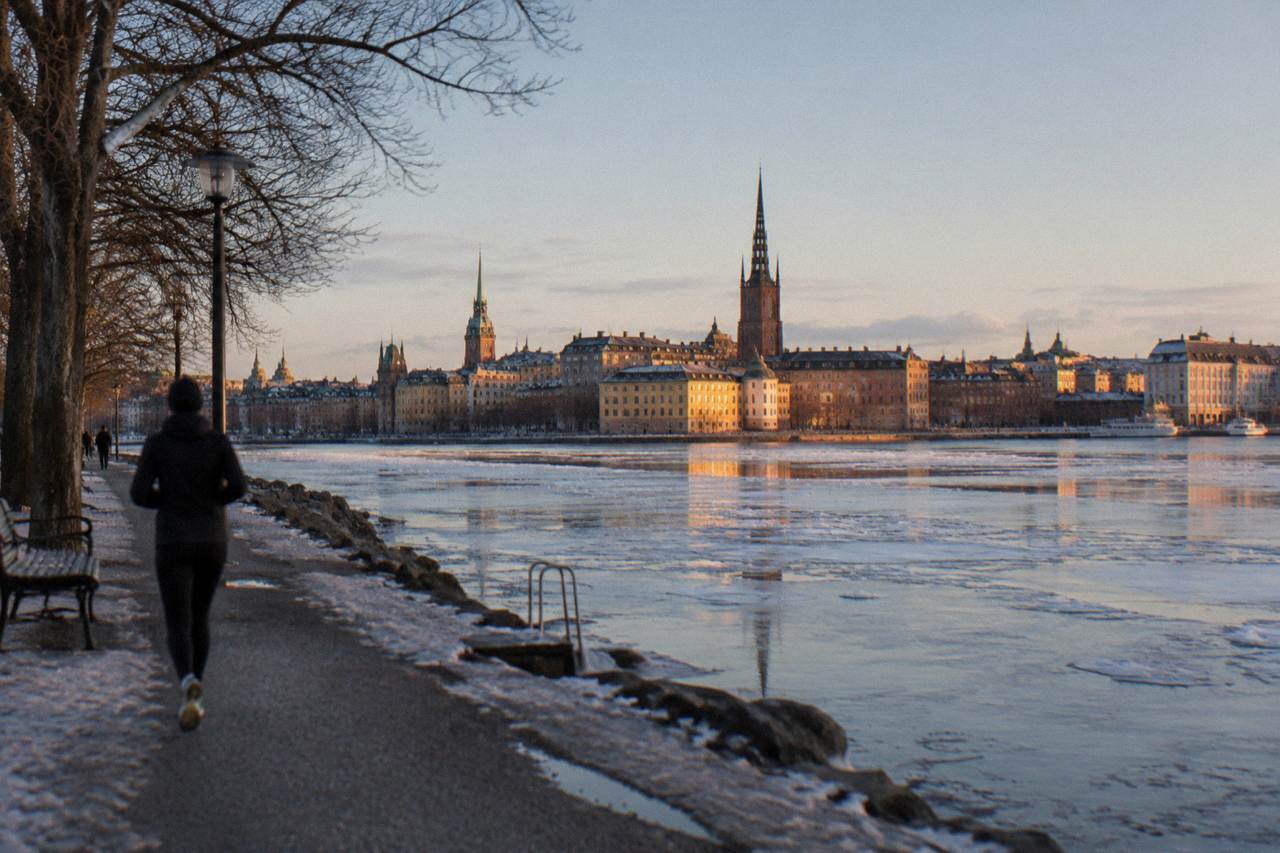
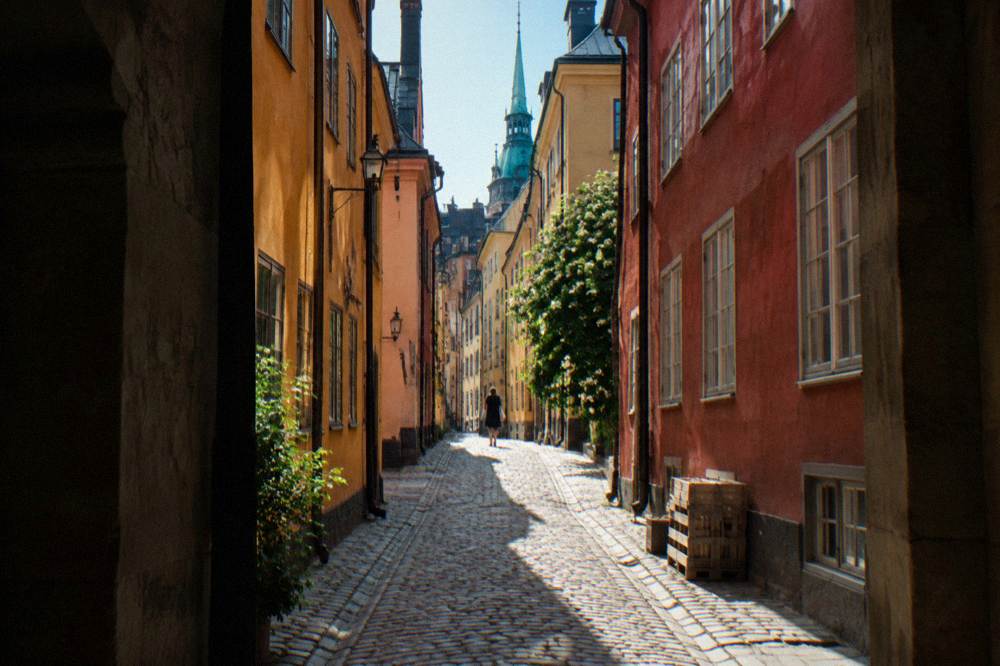
Stockholm spreads across fourteen islands, and the mistake most first-time visitors make is treating it like one city. It behaves more like a chain of villages, each with its own rules about what costs money and what does not. The old town is walkable and largely free to wander. Djurgården's parkland is free while nearly every building standing on it sells tickets. The metro doubles as an art gallery, but only behind the turnstiles.
This site's roster covers 10 free walks in Stockholm, eight of them listings on GuruWalk run by independent local guides and two of them, both in the old town, exclusive to freetour.com. This page is the background: the sights that should anchor any first visit, what each one actually costs, and where the free options sit beside the paid ones.
What Are The Essential Stockholm Sights First-Time Visitors Should Not Miss?
The five sights that anchor almost every successful first Stockholm visit are Gamla Stan's street grid, the Royal Palace's Outer Courtyard with the Changing of the Guard, the Stadshuset courtyard on Kungsholmen, the Södermalm viewpoints at Monteliusvägen and Skinnarviksberget, and the metro art stations, and every one of those can be experienced without an admission ticket. The paid heavyweights, the Vasa Museum, Skansen and the Royal Apartments, are worth their prices to many visitors, but they are additions to that free spine rather than replacements for it.
Gamla Stan comes first for a reason. The old town's core, Stortorget and the lanes radiating off it, is public street space with no gate, no ticket and no closing hour. The square itself is one of the verified free landmarks, and the surrounding blocks hold most of what people picture when they imagine Stockholm: the ochre and copper façades, the Nobel Prize Museum on the square's north side, and the alleyways that drop toward the water on three sides.
The Royal Palace sits one block east. Its Outer Courtyard is free public space, and it is where the Changing of the Guard happens, which is also free to watch. The 2026 schedule runs the ceremony at 12:15 on weekdays and Saturdays and at 13:15 on Sundays and public holidays, lasting roughly 40 minutes, with the full parade and band appearing more often in summer. The apartments and museums inside the palace are a separate, paid experience, roughly SEK 220-240 for a combined adult ticket.
Stadshuset, the City Hall on Kungsholmen, is the third anchor. The courtyard and entrance areas are open public space, free to walk through, and the waterfront terrace beside it is one of the better free photo positions in the city centre. The Blue Hall and the Golden Hall, where the Nobel banquet is held, are reachable only on a paid guided tour, SEK 150 for an adult, and there is no free self-guided option inside the building.
For travellers who want a guide rather than a map, the old town has the deepest supply of them. The trio below are all pay-what-you-want walks through and around Gamla Stan, each on a different platform and in a different voice.
Is Gamla Stan Worth Visiting, And What Is Free There?
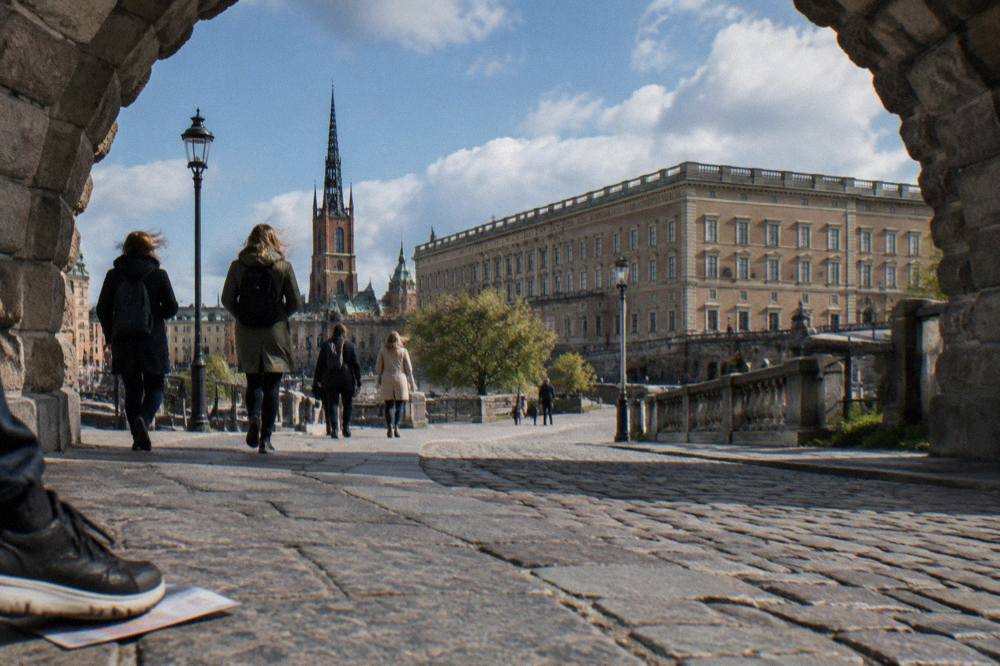
Gamla Stan is worth at least half a day of any first visit, and the entire street-level experience is free: Stortorget, the merchant lanes, the waterfront edges, the views toward Riddarholmen and the palace courtyard are all public space, with paid entry applying only to the specific buildings you choose to enter, such as Storkyrkan at SEK 120 for an adult. The old town is compact enough that walking it costs nothing but time, and it concentrates more per square metre than any other district. A free walk covers this ground: Viking History Walk, 2 Hours.
The free layer is thicker than most visitors expect. Stortorget, the square forever associated with the Stockholm Bloodbath, is open public space. The Royal Palace's Outer Courtyard borders the district on the east. Riddarholmen, the small island attached to the old town's west side, is free to wander for its lanes and its view across to Stadshuset, though Riddarholmskyrkan itself charges entry and was open May to September in 2026 with possible short closures for spire renovation work.
The paid buildings inside the free streets are few but significant. Storkyrkan, the cathedral, charges SEK 120 for adults, SEK 90 for seniors and students, with free entry up to age 18 and an audio guide included in the ticket. The Nobel Prize Museum on Stortorget charges its own admission. The palace apartments sit at the district's edge. Everything between them, which is most of Gamla Stan, costs nothing.
This is also where the city's free walking tours cluster, because a guide can turn those free streets into something with structure. The Multilingual Free Walk, listed on GuruWalk, runs two hours in German, English, Spanish, French and Italian from the Gamla Stan metro exit and is rated 4.46 across 115 GuruWalk reviews. Dan Vernier's Old Town Walk, a freetour.com exclusive, runs two and a half hours and is rated 9.6 out of 10 across 225 freetour.com reviews. A third option, the Three Crowns Free Tour, also on GuruWalk, is rated 4.87 across 93 GuruWalk reviews.
For a deeper planning resource on the district, the guide to free things to do in Stockholm's Gamla Stan breaks the old town down street by street.
What Can You See For Free At The Royal Palace And City Hall?
At the Royal Palace you can see the Outer Courtyard, the Changing of the Guard and the exterior architecture entirely free, while the apartments and museums inside require a ticket of roughly SEK 220-240 for an adult; at City Hall the courtyard and grounds are free public space, but the interior halls are reachable only on a paid guided tour at SEK 150 per adult. Both buildings split cleanly into a free outside and a paid inside, and many visitors enjoy the free half without ever feeling shortchanged.
The palace's free half is genuinely a spectacle. The Changing of the Guard has run in the Outer Courtyard for centuries, it costs nothing to watch, and no booking exists or is needed. The Swedish Armed Forces publish the current ceremony schedule, which is the page to check for parade days with the band, since those vary by season.
City Hall's free half is quieter but architecturally rewarding. The courtyard, the arcade and the waterfront promenade are open public space, and the brick mass of the building, one of Stockholm's most photographed structures, is best seen from across the water on Riddarholmen anyway. The paid half, the Blue Hall where the Nobel banquet is held and the Golden Hall with its gold-leaf mosaic, is a guided-tour-only experience, SEK 150 for an adult, SEK 130 for seniors and students, with children up to six free.
There is a third free civic sight within walking distance that most itineraries miss. The Swedish Parliament, Riksdagshuset, runs free public guided tours, and the open tours require no advance booking: places are first-come with limited spots, while groups of ten or more book ahead. The Riksdag's own tours page states plainly that the tour is free of charge.
| Sight | Free part | Paid part | Free condition to remember |
|---|---|---|---|
| Royal Palace | Outer Courtyard, Changing of the Guard, exterior | Apartments and museums, approx. SEK 220-240 adult | Ceremony is free to watch; interior is not |
| Stadshuset (City Hall) | Courtyard, grounds, waterfront terrace | Guided tour, SEK 150 adult | A guided tour is the only way inside |
| Riksdagshuset (Parliament) | Public guided tours | None | First-come for open tours; groups of 10+ book ahead |
| Storkyrkan (Cathedral) | Exterior | SEK 120 adult, audio guide included | Free up to age 18 |
| Riddarholmskyrkan | Island lanes and viewpoints | Church entry, 2026 price not yet published | Open May-September 2026; possible spire-work closures |
The pattern to internalise is that Stockholm's landmark buildings almost never have a single price. They have a free public layer and a paid interior layer, and the free layer is often the more photogenic half.
Which Free Viewpoints Should Not Be Missed In Stockholm?
The two Södermalm viewpoints, Monteliusvägen and Skinnarviksberget, should not be missed by anyone: both are free public paths open around the clock, both look north across the water to the old town, City Hall and the palace, and neither has a gate, a ticket or a closing time. They sit a short walk from each other on the island's northern ridge, and together they cover the classic Stockholm panorama from two different heights.
Monteliusvägen is the gentler of the two: a level cliffside promenade a few hundred metres long, facing the old town across Riddarfjärden. It is a public path, free to walk at any hour, and it is where most of the postcard images of Stadshuset and the old town skyline are actually taken from. Skinnarviksberget, a rocky hill just west of it, is the higher and rougher option, a bare granite outcrop people climb for the sunset view, with the same free, always-open access.
The city has other free high points. The Fjällgatan terrace on Södermalm's eastern edge looks over the harbour entrance and the ferries. The bridges themselves, Vasabron and Strömbron in particular, are free vantage points in their own right. What Stockholm does not have is a free observation tower: Kaknästornet, the TV tower older guidebooks still list, has been closed to the public since around 2018 and remains closed.
A guided way to see these hills exists too. The Södermalm Viewpoints Walk, listed on GuruWalk, runs two and a half hours in English and Spanish from Mariatorget and is rated 4.81 across 348 GuruWalk reviews, which makes it the roster's dedicated option for the island's panoramas. The full breakdown of the city's free outlooks is in the free viewpoints in Stockholm guide.
What About Djurgården And The Metro Art?
Djurgården's parkland is entirely free to visit, the island being part of the Royal National City Park, while the famous attractions standing on it, the Vasa Museum at SEK 240 adult in summer, Skansen with its date-based pricing, Gröna Lund and others, each sell their own tickets; the metro art, meanwhile, is free to view only with a normal SL transit ticket, since the decorated stations sit in the paid area. Neither is a blanket-free experience, and both are worth the planning.
Djurgården is the clearest example of the free-hill, paid-building pattern in the city. The island's paths, shorelines and woods cost nothing, and the official Royal Djurgården operators state plainly that visiting the park is free of charge. Rosendals Trädgård, the garden on the island's south side, takes no entry fee either, suggesting only a voluntary donation. But the Vasa Museum charges SEK 240 for an adult from May to September, SEK 195 in the low season, free for visitors 18 and under, and Skansen prices dynamically by date, with children 15 and under free but needing a complimentary ticket booked in advance.
The metro art works the other way round. Stations such as T-Centralen, Kungsträdgården and Solna centrum function as an underground art collection, but the art sits on platforms and in paid concourse areas, so the only genuine way to see it is with a valid SL ticket. There is no separate museum fee on top of the fare, and no free way in without one. The dedicated Stockholm metro art guide covers which stations reward the detour.
One practical note ties the two together: the SL ferries to Djurgården are covered by a normal SL ticket rather than being a separate sightseeing cruise, so a single transit ticket can carry a visitor to the island's free parkland and back. The getting around Stockholm guide explains the ticket options.
How Do Free Walking Tours Fit Into A Stockholm Trip?
Free, pay-what-you-want walking tours fit best on a first or second day, because a local guide's two-hour orientation of Gamla Stan or Södermalm maps the city before the museum days begin; this site's roster carries 10 such walks in Stockholm, eight on GuruWalk and two freetour.com exclusives, all genuinely free with the tip as the only cost. They are the cheapest structure a visitor can add to the free landmarks above.
The strongest-rated walk on the roster is outside the old town. The Viking History Walk, listed on GuruWalk, runs two hours in English and Spanish from Stortorget and is rated 4.96 across 1,100 GuruWalk reviews, the highest rating in the pool. For visitors whose interest runs to deeper history than the palace façades, it is the roster's clearest recommendation.
The old town options suit a first evening or a jet-lagged arrival morning. The Rainbow Tours Old Town Walk, rated 4.76 across 3,021 GuruWalk reviews, is the roster's most-reviewed walk and runs two and a half hours in English, Spanish and Italian. The 2-Hour Free Walk, English only, rated 4.69 across 1,433 GuruWalk reviews, is the tighter option. How the pay-what-you-want model actually works, and what a fair tip looks like, is covered in the how free walking tours in Stockholm work guide.
A word on honesty, because it matters on this site. None of these walks belong to this site. Every GuruWalk walk is run by an independent guide on their own listing, and the two Dan Vernier walks are freetour.com exclusives. This directory points at other people's tours, which is why every page here names the platform the walk actually lives on.
What Should I Not Miss In Stockholm If Time Is Short?
With only a day or two, the things not to miss are Stortorget and the Gamla Stan lanes, the Changing of the Guard at the palace's Outer Courtyard, the Stadshuset courtyard, one Södermalm viewpoint at sunset, and a single metro art station on the way somewhere else, all of which fit into one walking day and cost nothing beyond an SL ticket. The paid museums can wait for a longer trip; the free spine cannot be assembled better on a second visit.
The order matters more than the list. Gamla Stan in the morning, before the day-trippers thicken the lanes. The palace courtyard and the 12:15 ceremony, or 13:15 on a Sunday, midday. Stadshuset and its courtyard in the early afternoon, reached by walking west across the bridge from Riddarholmen. Monteliusvägen or Skinnarviksberget for the last hour of daylight. The metro art rides in between, on journeys that would happen anyway.
For a single guided anchor on a short stay, the old town walks are the ones that compress the most history per hour. All three below are pay-what-you-want, and all three start within a few blocks of Stortorget.
A longer short-stay plan, including what to drop, is sketched in the one day in Stockholm post, and the seasonal variants are covered separately for winter visits and for free things to do in Stockholm this week, which uses a week rather than a day frame.
Common Questions About What Not To Miss In Stockholm
What should I not miss in Stockholm?
Do not miss Gamla Stan's street grid around Stortorget, the Changing of the Guard at the Royal Palace's free Outer Courtyard, the Stadshuset courtyard, the Södermalm viewpoints at Monteliusvägen or Skinnarviksberget, and the metro art in at least one decorated station. All of these are free, or in the metro's case covered by a normal SL ticket, and together they form the city's essential first-visit spine.
Are Stockholm's museums free?
No, not any more. Sweden's state museums reintroduced adult admission after the 2022 election, and as of the 2026 verification pass every state museum checked charges general adult admission, typically SEK 140-180. Each museum carries its own free carve-out, usually for visitors under 18, 19 or 20 depending on the institution, and Nationalmuseum is free for everyone on Thursday evenings from 17:00 to 20:00.
Is the Vasa Museum worth the ticket?
Many visitors think so, and it is the single most famous paid attraction in the city, at SEK 240 for an adult from May to September and SEK 195 in the low season, free for visitors 18 and under. But it stands on Djurgården, whose parkland is entirely free, so a budget itinerary can walk the island and skip the museums without missing the island itself.
Can you see the Changing of the Guard for free?
Yes, entirely. The ceremony takes place in the Royal Palace's Outer Courtyard, which is free public space, and watching costs nothing with no booking. In 2026 it runs at 12:15 on weekdays and Saturdays and 13:15 on Sundays and public holidays, lasting roughly 40 minutes, with band parades more frequent in summer.
What is the best free walking tour in Stockholm?
By rating, the Viking History Walk, listed on GuruWalk and rated 4.96 across 1,100 GuruWalk reviews, leads the roster. In the old town, the Rainbow Tours Old Town Walk has the most reviews, 4.76 across 3,021 GuruWalk reviews, while Dan Vernier's Old Town Walk, a freetour.com exclusive, rates 9.6 out of 10 across 225 freetour.com reviews. The full comparison is in the best free walking tour guide.
Is Stockholm expensive for sightseeing?
It is expensive for museums and moderate for sightseeing, because the landmark layer is largely free. The old town streets, the palace courtyard, the guard ceremony, City Hall's courtyard, the Parliament tours, the Södermalm viewpoints and Djurgården's parkland all cost nothing. Budgeting mainly means choosing which two or three paid interiors, if any, to add on top of that free spine.
For a wider look at the city without spending, Free Things To Do In Stockholm is the site's full directory, and the Stockholm on a budget guide handles the money side in more detail.