Getting Around Stockholm On Foot And By Transit
Stockholm is built across fourteen islands, which sounds like a navigation nightmare and is actually the reason the city is so pleasant to move through. Most of what a visitor wants to see clusters into a few walkable cores, and the metro, trams and ferries stitch the gaps together.
Short answer
Stockholm's central islands are walkable enough that most visitors only need transit for a handful of trips: Gamla Stan, Norrmalm and southern Djurgården are all within a half hour on foot of each other. A single SL ticket covers metro, tram, bus and the Djurgården ferry, and every free walking tour meeting point on this site sits within ten minutes of a metro station.
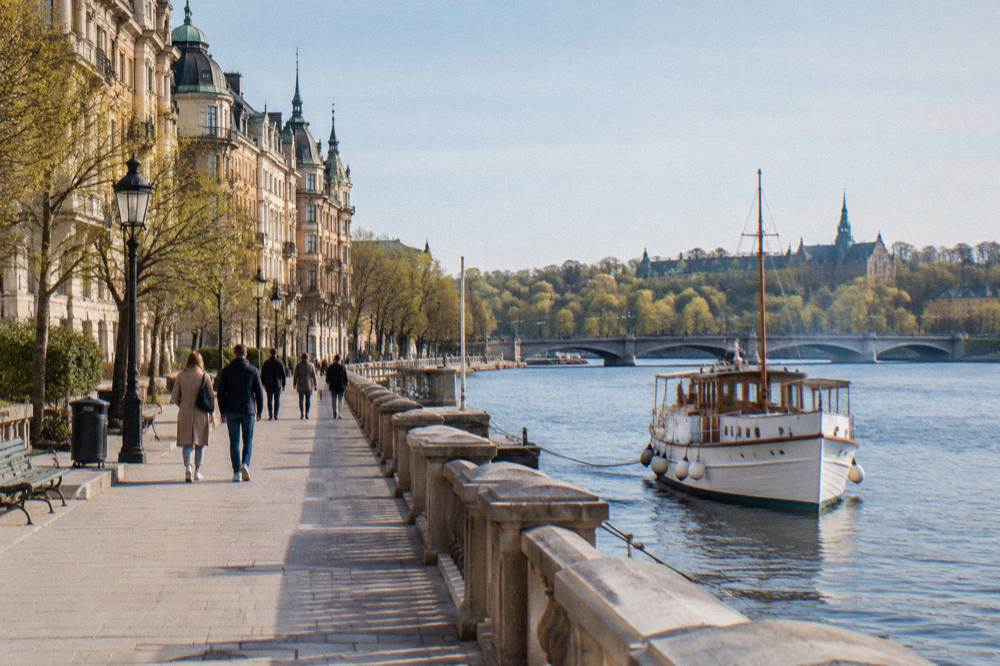
Stockholm spreads its old town, modern centre and green islands across water, and the water does half the wayfinding for you. Bridges, quays and a handful of long straight streets connect nearly everything a first-time visitor comes to see. The rest of this page is the practical layer: where the walks on Free Things To Do In Stockholm actually start, which station serves each meeting point, and where walking genuinely beats the tunnelbana.
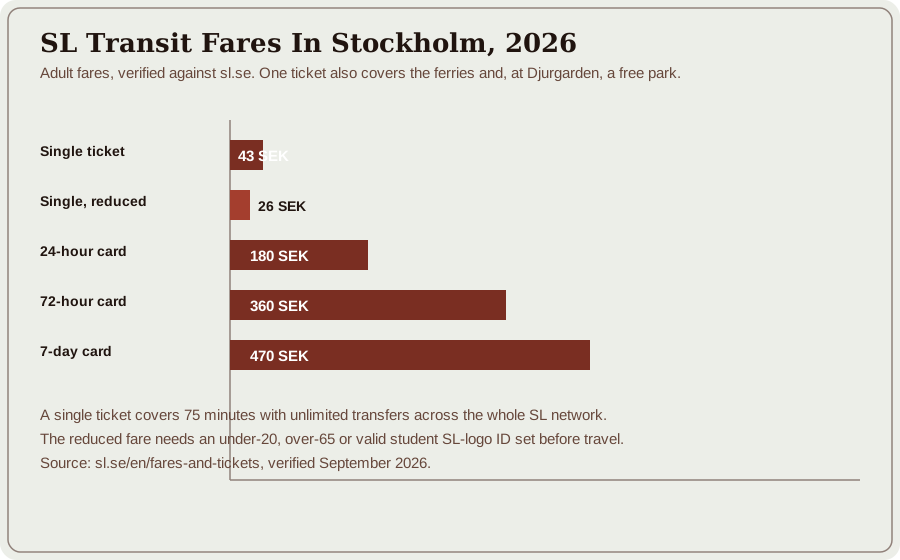
The city's transit operator, SL, runs the metro (tunnelbana), trams, buses and the inner-harbour ferries under one ticket system. That single fact simplifies almost every journey decision a tourist faces, because a ticket bought for the metro also covers the ferry ride to Djurgården and the tram out to the western suburbs.
Is Stockholm Walkable For A Tourist?
Yes, and more so than most capitals its size. Gamla Stan, Riddarholmen, Norrmalm around Sergels torg, Skeppsholmen and the southern edge of Djurgården form one connected pedestrian landscape where a half hour of walking covers the Royal Palace, the cathedral square, the Moderna Museet peninsula and the Djurgården bridgeheads. Only Södermalm's hilltop viewpoints and the outer islands genuinely need transit.
The geography rewards walkers because the water forces the city into a compact shape. Gamla Stan is compact enough that its two main squares, Stortorget and Mälartorget, sit a few minutes apart on foot. From Gustav Adolfs torg on the Norrmalm side, the walk across the bridge into the old town takes under ten minutes at a strolling pace. The Royal Palace's Outer Courtyard, Stortorget and the Riksdag building all sit inside that same walkable knot, which is why the free things to do in Stockholm's Gamla Stan cluster works entirely without a transit ticket.
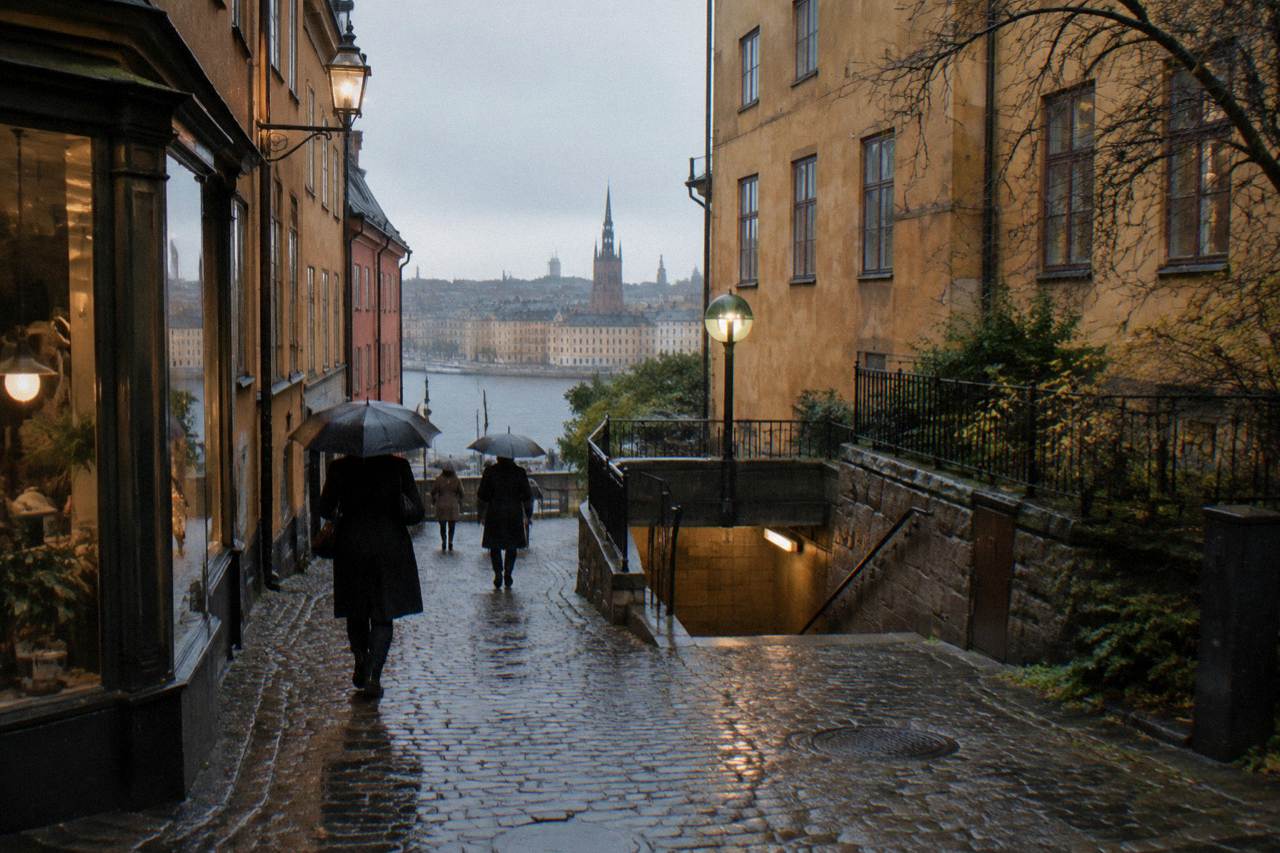
Two caveats keep this honest. Södermalm's viewpoints sit on a ridge, and the climb from Slussen up to Monteliusvägen is steep enough that many visitors prefer the bus or the Katarinahissen lift. And Djurgården is bigger than it looks on a map: the island's parkland is free to walk, but the distance from the western bridge to Gröna Lund along the waterfront is a real 30 to 40 minute walk, not a quick stroll.
Which Transit Stop Serves Each Free Walk's Meeting Point?
Every one of this site's ten free walks meets within a short walk of a metro station, and most cluster around just three of them: Gamla Stan, T-Centralen and Mariatorget. The Rainbow Tours Old Town Walk and the Swedish History and Society Walk both meet at Gustav Adolfs torg, closest to Kungsträdgården station; the Viking History Walk meets at Stortorget, five minutes from Gamla Stan station.
This is the table to screenshot before arrival day. Meeting points are quoted from each walk's own listing, and the nearest-station column is the practical addition.
| Walk | Meeting point | Nearest transit |
|---|---|---|
| Rainbow Tours Old Town Walk | Gustav Adolfs torg 24, by the roundabout | Kungsträdgården or T-Centralen, about 8 minutes |
| 2-Hour Free Walk, English Only | Malartorget 8, outside Gamla Stan metro | Gamla Stan station, at the exit |
| Dan Vernier's Old Town Walk (freetour.com) | 2:00 PM, meeting point on the freetour.com listing | Gamla Stan station |
| Multilingual Free Walk | Gamla Stan t-bana, uppgang Munkbrohamnen | Gamla Stan station, the named exit |
| City Centre Views Walk (freetour.com) | 11:00 AM, meeting point on the freetour.com listing | Gamla Stan station |
| Three Crowns Free Tour | Benny Fredrikssons Torg, near Tres taco joint | T-Centralen or Kungsträdgården, 5 minutes |
| Guided by Locals, Poster Included | Slottsbacken 2, big door, arrive 5 min early | Gamla Stan station, about 6 minutes uphill |
| Viking History Walk | Stortorget, in front of the Nobel Prize Museum | Gamla Stan station, 5 minutes |
| Södermalm Viewpoints Walk | Mariatorget, by the statue in the park | Mariatorget station, at the exit |
| Swedish History and Society Walk | Gustav Adolfs torg 24 | Kungsträdgården or T-Centralen, about 8 minutes |
Two patterns stand out. Seven of the ten walks start in or beside Gamla Stan, so a hotel anywhere near the old town puts a visitor within fifteen minutes of most departures. And the two Södermalm and Östermalm-adjacent walks anchor to their own stations, Mariatorget and the Gustav Adolfs torg side of Norrmalm, which keeps every start reachable on a single SL ticket.
The Multilingual Free Walk is the easiest arrival-day walk on the roster precisely because of transit: it meets at the Gamla Stan metro station itself, at the Munkbrohamnen exit, so there is no street address to find. It runs two hours in German, English, Spanish, French and Italian, and it is rated 4.46 across 115 GuruWalk reviews. For a visitor who wants a walk the moment the airport train lands, that meeting point is the one that removes all friction.
How Does The SL Ticket System Work For Visitors?
One SL ticket covers the metro, all buses, the trams and the inner-harbour ferries, including the Djurgården ferry, so a visitor never buys a separate boat ticket to reach the island museums. Tickets are sold in the SL app, at ticket machines and at press kiosks; single journeys and multi-day passes are the options tourists actually use. Prices are set by SL and change, so check sl.se before buying.
The ferry point deserves emphasis because it is the one visitors most often get wrong. The Djurgården ferries are ordinary SL commuter boats, not sightseeing cruises, and a normal transit ticket rides them. The crossing from Slussen to the island takes a few minutes and lands a visitor at the Allsång end of Djurgården, from which the free parkland walks west along the waterfront. The getting around and free viewpoints overlap here: the best views from the water cost nothing beyond the ticket already in hand.
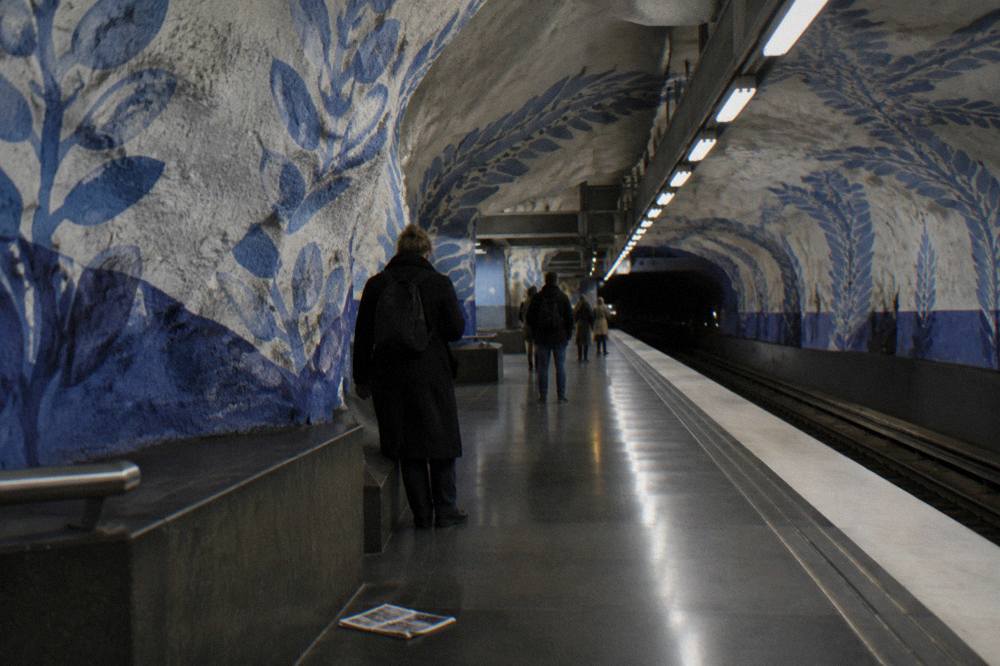
The metro itself doubles as an attraction. The blue line's T-Centralen station, Kungsträdgården and Rådhuset are gallery-grade installations, and viewing the art requires nothing beyond a valid ticket, since the works sit inside the paid areas and platforms. The Stockholm metro art guide covers which stations reward a deliberate detour; the transit point is simply that a visitor already holding a ticket has already paid for the gallery.
Where Does Walking Beat The Metro In Stockholm?
Walking wins everywhere inside the central islands: Gamla Stan to Norrmalm is one bridge, Norrmalm to Skeppsholmen is one more, and the whole chain from the Riksdag to the Moderna Museet peninsula is a single 25-minute waterside walk with no station entrances in between. Transit wins for Södermalm's ridge, the outer Djurgården waterfront and anything beyond the green line's inner stations.
The rule of thumb is to walk whenever the route crosses water and ride whenever it climbs. The bridges are the scenic part; the tunnelbana between T-Centralen and Gamla Stan saves perhaps four minutes over walking the same distance and skips the best views of the palace. Slottsbacken, Storkyrkobrinken and the Skeppsholmen causeway are the segments no metro car can reproduce.
The Södermalm ridge is the exception that proves the rule. The viewpoints along Monteliusvägen and the top of Skinnarviksberget are free and open around the clock, but the ascent from the Slussen side is a genuine hill. Visitors staying in Gamla Stan or Norrmalm should budget transit for the climb and then walk the ridge itself, which is flat and continuous once reached.
The Södermalm Viewpoints Walk handles that ridge problem for visitors: it meets at Mariatorget station, by the statue in the middle of the park, which puts the start already up on the plateau. From there the walk covers the viewpoints over two and a half hours in English or Spanish, rated 4.81 across 348 GuruWalk reviews, and the transit leg does the climbing before the walk begins.
One budget note for walkers planning the island chain end to end: the museums that anchor these walks are no longer free. Stockholm museums reintroduced adult admission fees starting around 2023, so the "free museum afternoon" many older guidebooks promise no longer exists. Moderna Museet, the destination of that 25-minute waterside walk from the Riksdag, charges SEK 170 for adults, with free entry for visitors 18 and under, plus a free Friday evening in season. Historiska museet, a short walk inland from Gamla Stan's northeast corner, charges SEK 180, again free up to and including age 18.
The same logic applies across the water on the outer Djurgården waterfront, where transit already beats walking. Sjöhistoriska museet, the maritime museum on the island's eastern edge, charges SEK 150 with free entry for ages 0-18. If your route ends there, the ferry or tram fare plus the ticket is the real cost of the trip, and the walk itself remains the free part. Families with teenagers get the best deal here: on every one of these walks the transit leg, the bridges and the viewpoints cost nothing, and museum admission is waived for anyone 18 or younger at all three institutions.
For anyone stringing the full chain together, Riksdag to Moderna Museet on foot, then tram or ferry out to Djurgården, the practical split is simple: pay for the museums you enter, pay nothing for the water crossings in between, and let the metro handle only the climbs.
What Does A Sensible On-Foot Day Look Like?
A workable car-free day chains the free sights by walking legs and one or two transit hops: start at a Gamla Stan walk from Stortorget or Mälartorget, cross to the Royal Palace Outer Courtyard for the Changing of the Guard at 12:15 on weekdays and Saturdays or 13:15 on Sundays and public holidays, walk the Skeppsholmen causeway in the afternoon, and finish with the SL ferry or the bridge walk to Djurgården's free parkland.
The guard ceremony is the anchor because its times are fixed and its viewing costs nothing. The parade with band runs more often in summer, and the schedule lives on the Swedish Armed Forces calendar, so the ceremony slots into a walking day rather than dictating one. The courtyard itself is the free half of the Royal Palace; the apartments inside are a paid visit.
| Leg of the day | Walk or ride | Time on foot |
|---|---|---|
| Gamla Stan meeting point to Stortorget | Walk | 5 to 10 minutes |
| Stortorget to the Outer Courtyard | Walk | 5 minutes |
| Outer Courtyard to Skeppsholmen | Walk | 15 minutes |
| Skeppsholmen to Slussen ferry terminal | Walk or bus | 20 minutes |
| Slussen to Djurgården by SL ferry | Ride, normal ticket | about 10 minutes |
| Djurgården ferry landing to Rosendals Trädgård | Walk the free parkland | 30 to 40 minutes |
Two walks fit this shape naturally. The Viking History Walk meets at Stortorget, in front of the Nobel Prize Museum, five minutes from Gamla Stan station, and runs two hours in English or Spanish; it is rated 4.96 across 1,100 GuruWalk reviews, the strongest figure on this site's roster. And the Three Crowns Free Tour meets at Benny Fredrikssons Torg on the Norrmalm side, closest to T-Centralen, so it pairs with the palace courtyard across the bridge.
The Viking History Walk's Stortorget start also sits directly on the walking-day route above, which makes it the one walk that needs no extra transit leg at all: a visitor already in Gamla Stan for the morning simply stays put until the guide gathers by the Nobel Prize Museum.
For visitors who want the full decision framework in one place, the Stockholm on a budget guide covers how these walking legs stack up against the paid attractions on Djurgården, where being on the free island never implies the museums on it are free.
One distinction worth holding onto as you plan this day: a free hill, island, or square never means the paid building on it is free. Djurgården is the clearest example in Stockholm. The parkland you walk through, the causeways and bridges you cross to reach it, and the ferry ride there on a normal ticket are all part of the free layer of the day. The museums standing on that same island are a separate, paid layer, and the two should be budgeted as two different things. The same split applies at the Royal Palace: the Outer Courtyard where the guard ceremony plays out costs nothing to stand in, while the apartments inside are a paid visit. Treating each stop as two layers, one free and one paid, keeps the day's costs honest and stops pleasant surprises from turning into unwelcome ones at a ticket desk.
A second point on how the free claims in this itinerary should be read. Every free statement on this site traces back to a checked source, and where sources disagree, the institution's own page is preferred over any aggregator. That matters for a day like this one because the details that make it work, the guard ceremony times, the parade frequency in summer, and the ferry's inclusion on a normal ticket, all come from official pages rather than secondhand summaries. The Swedish Armed Forces calendar is the authority for the ceremony schedule, so if you are building your day around the 12:15 or 13:15 start, that calendar is the place to confirm the timing before you set out, particularly outside the summer months when the parade with band runs less often. The walking legs themselves need no such checking: the distances in the table above are short, the longest single stretch is the half hour or so through Djurgården's parkland, and the whole chain holds together with nothing more than feet, one ferry ride, and a fixed ceremony time as the anchor.
Common Questions About Getting Around Stockholm
Is Stockholm easy to get around without a car?
Yes. The central islands are walkable, SL's metro, trams, buses and ferries run under one ticket, and none of the free walks or landmarks on this site require a car or reward having one.
How do I get to the free walking tours' meeting points by transit?
Seven of the ten walks meet in or beside Gamla Stan, served by Gamla Stan metro station. The Södermalm Viewpoints Walk meets at Mariatorget station, the Three Crowns Free Tour near T-Centralen, and the two Gustav Adolfs torg walks are an eight-minute walk from Kungsträdgården or T-Centralen.
Does the SL ferry to Djurgården cost extra?
No. The inner-harbour ferries are part of the ordinary SL network, so a normal transit ticket covers the crossing from Slussen. It is a commuter boat, not a sightseeing cruise.
Do I need a transit ticket to see the metro art?
Yes for the full experience. The famous station artworks sit inside the paid areas and platforms, so viewing them is covered by a normal SL ticket rather than a separate museum fee.
Is Gamla Stan walkable from the central station?
Yes. T-Centralen to Stortorget is roughly a 15 to 20 minute walk, crossing through Sergels torg and over the Norrström bridges, and it passes the Riksdag building on the way.
Where should I stay to be near the free walks?
Anywhere near Gamla Stan, Slussen or the T-Centralen end of Norrmalm puts a visitor within fifteen minutes of seven of the ten meeting points, with the Södermalm walk a short metro ride from Gamla Stan station to Mariatorget.